AI-driven accessibility
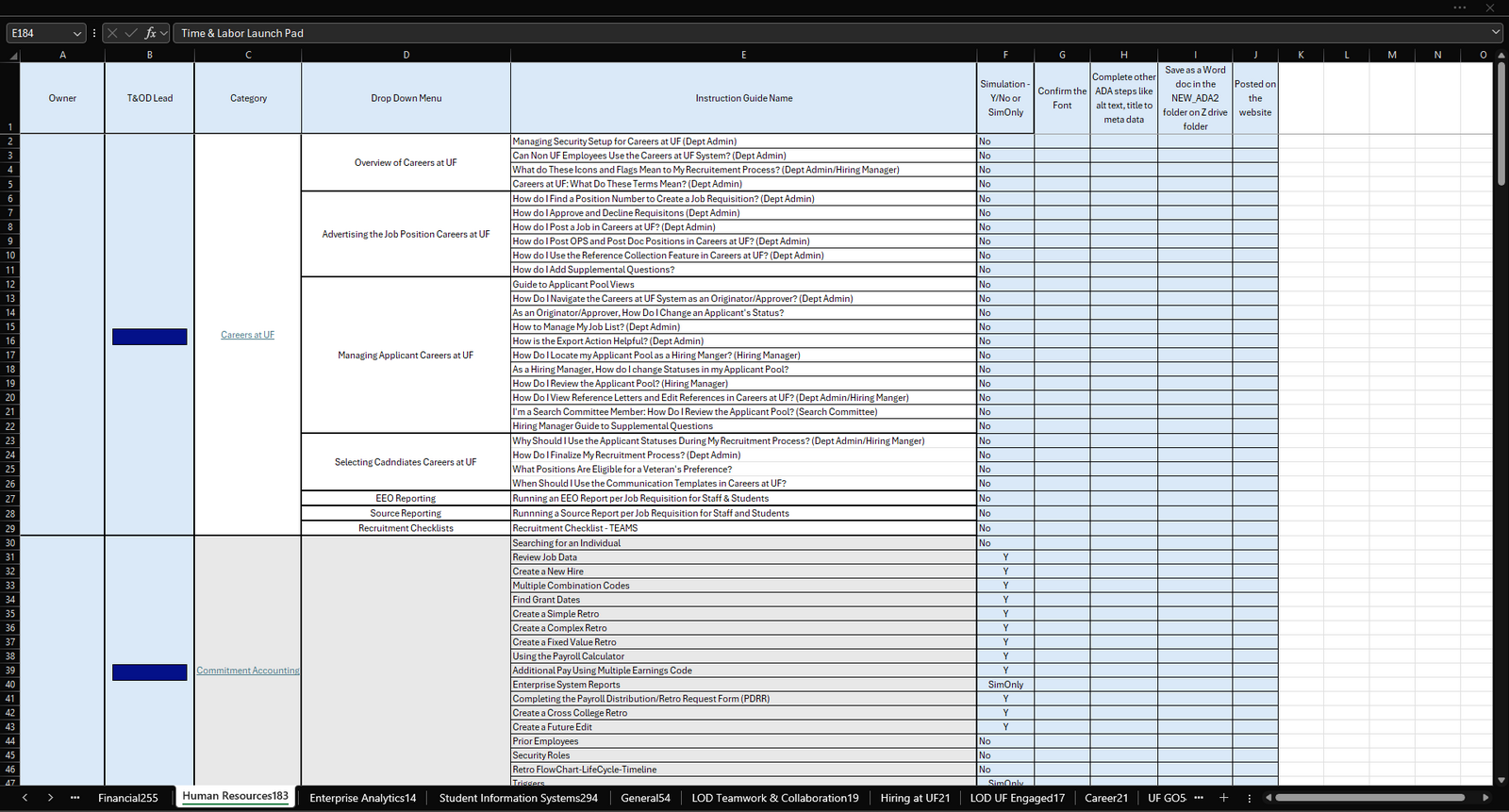
Converting 800+ Guides To WCAG, With AI
An AI-and-Python pipeline that converted 800+ inaccessible PDF instruction guides into WCAG-compliant Word documents, saving my design team months of manual work.
 AI
AIThe Problem
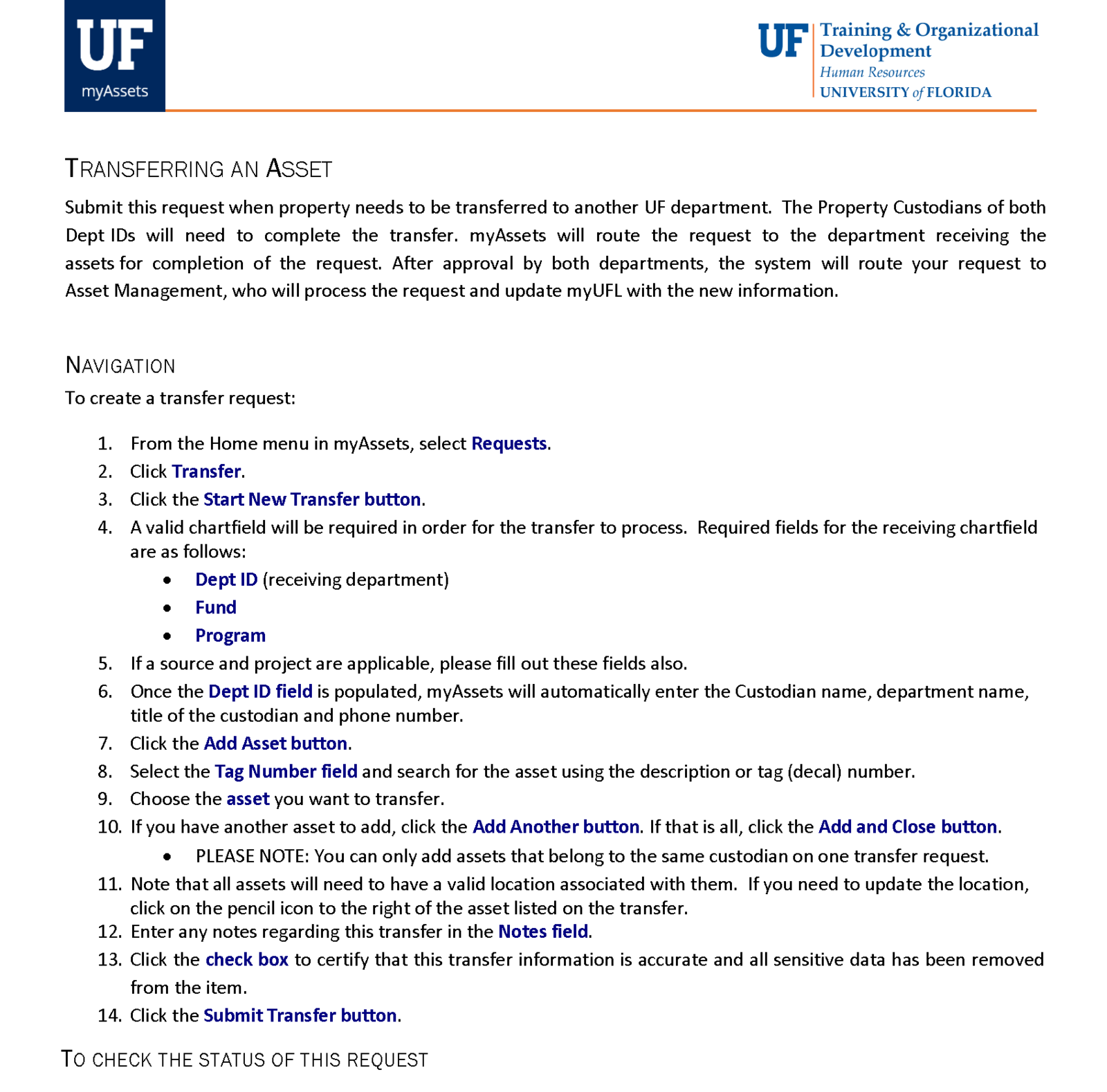
Florida regulations require all university online resources to meet WCAG 2.2 by 2026. Our roughly 1,000 instruction guides were PDFs — not accessible.
Design Story
A needs analysis moved us from PDF to a custom-styled Word format. Without automation, eight designers would have spent countless hours reworking guides one at a time.
Complexity
The team's time was limited and in high demand. A manual transition simply wasn't feasible at the required scale and timeline.
The Designed Solution
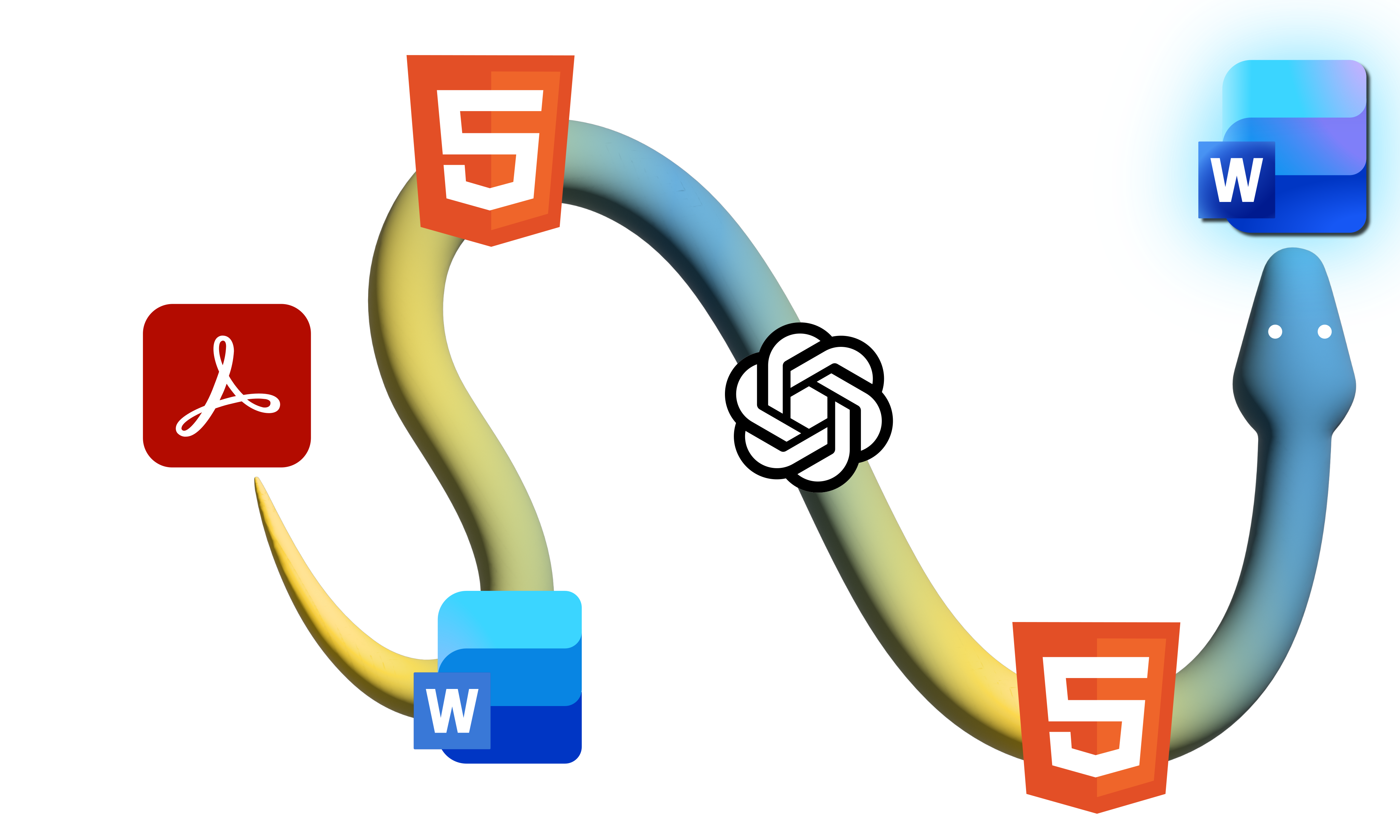
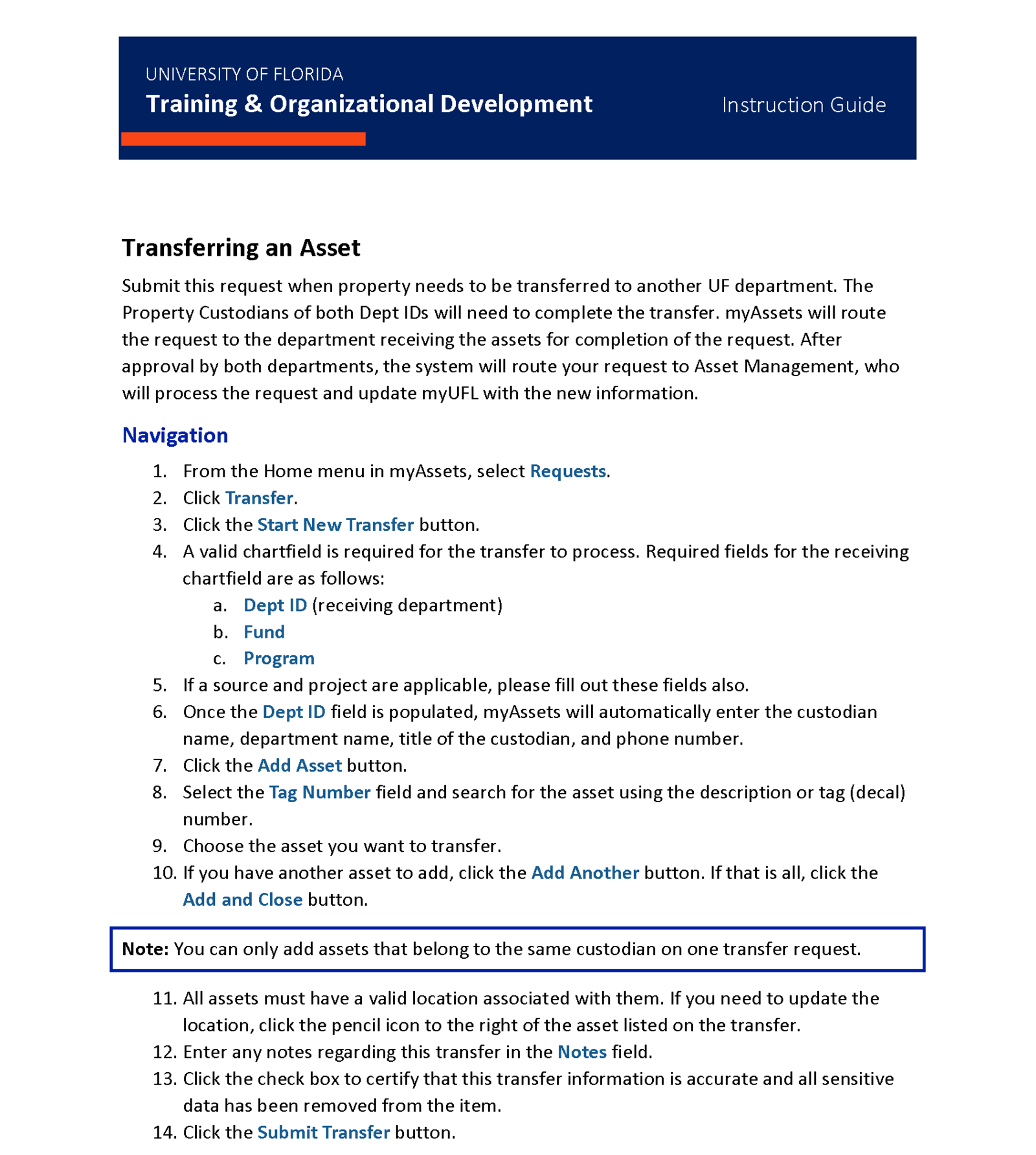
An automated pipeline: batch-convert PDFs to HTML, send the HTML to a GPT model prompted to apply our DOCX styles and WCAG rules, then convert the styled HTML back into a review-ready Word document — archiving the original along the way.
Design Decisions
- Used AI to write Python tailored for large-scale conversion and style application aligned to WCAG 2.2.
- Implemented batch processing to standardize styles and minimize designer touch-time.
- Retained hands-on review so designers verify accuracy and finalize for publishing.
The Result
A scalable, reliable pipeline that converts formats while preserving content integrity.
Impact
Cut manual effort dramatically — about 40+ hours saved per designer — and put the team ahead of the 2026 deadline.
Outcome
800+ guides converted to WCAG-compliant Word, a reusable framework for future migrations, and the foundation that led to the Document Generator.